
Hail
Inspect soft metals and every slope. Consider impact-rated products without expecting hail immunity.
Full replacement with a documented starting point: every slope, the deck, flashing, ventilation and a written scope you can compare. No invented ratings. No pressure from this website.
Call +1 (235) 219-1418Inspect soft metals and every slope. Consider impact-rated products without expecting hail immunity.
Fastening, edges and flashing matter as much as the visible shingle or panel.
Deck condition, attic airflow and water-management details deserve a complete review.
Start with an inspection, compare material paths and understand the uncertain items before they become invoice surprises.
A measured, photographed replacement plan that covers the deck and details—not only the new shingles.
View serviceImpact-rated architectural shingles with a complete system scope and realistic expectations about hail.
View serviceLong-term metal roofing with concealed clips, formed trim and clear panel and finish specifications.
View servicePhotograph and understand the damage first, then align the construction scope with the actual policy and roof condition.
View serviceRemove old layers, expose hidden deterioration and rebuild on solid, properly fastened sheathing.
View serviceA decision-first inspection that explains repair and replacement options before you choose a contractor scope.
View serviceUnderstand APR, total repayment and promotional terms before choosing a monthly payment.
View service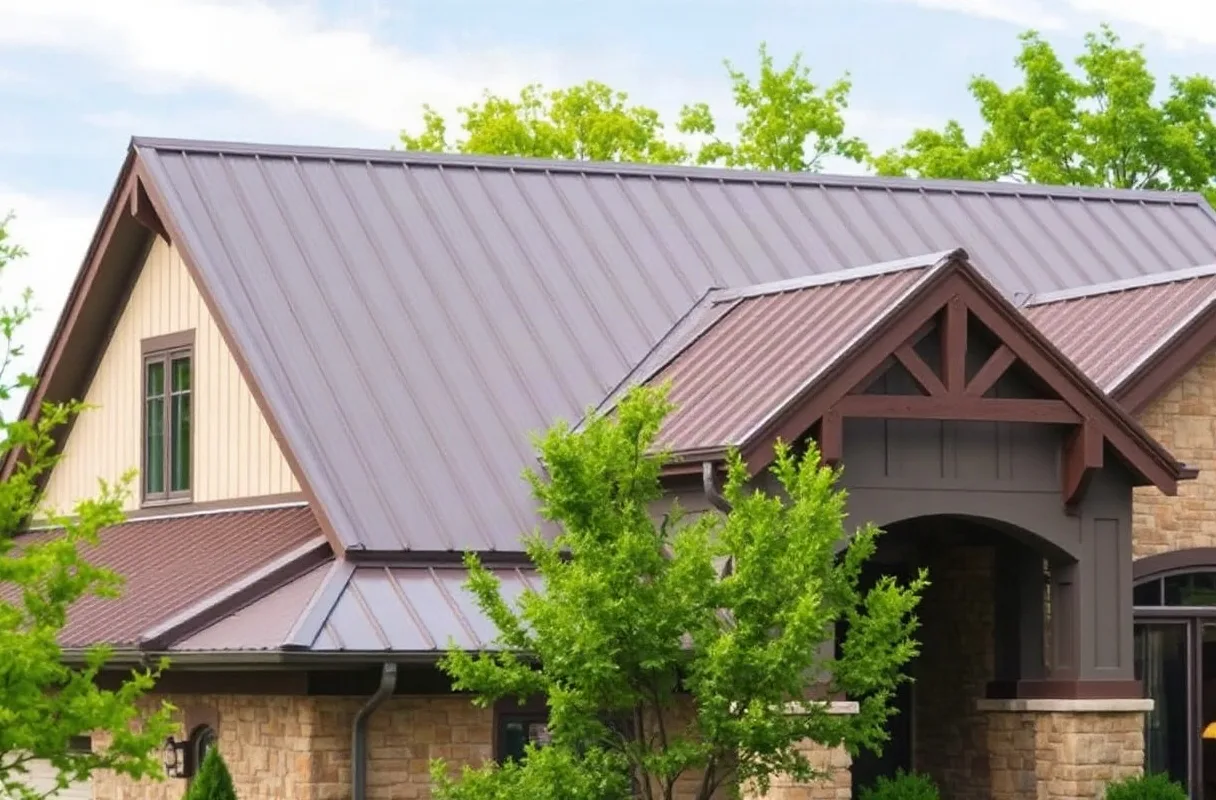
Compare complete installed systems. Exact performance depends on product, roof design and workmanship.
| Class 4 shingles | Standing-seam metal | |
|---|---|---|
| Initial cost | Moderate premium over standard shingles | Higher fabrication and labor investment |
| Appearance | Architectural shingle profiles | Clean lines and formed metal trim |
| Hail | Enhanced tested impact resistance | Durable but may dent cosmetically |
| Best fit | Familiar look with an impact upgrade | Long-term ownership and premium scope |
A storm claim and a construction estimate are related, but they are not the same document.
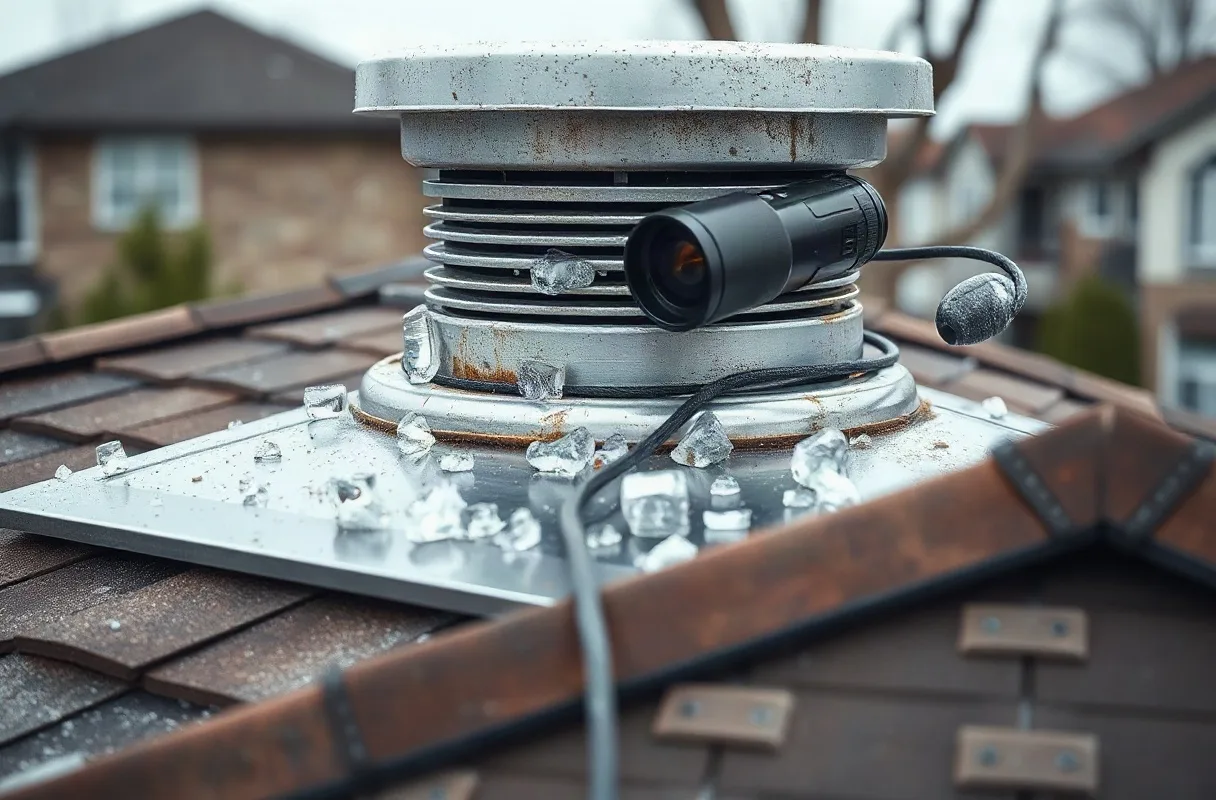
Note the date and take ground-level photographs. Do not climb onto a wet or damaged roof.
Ask for labeled photographs of shingles, soft metals, flashing and accessible attic evidence.
Your insurer addresses coverage; your contractor specifies the work. Keep both paper trails.
Include deck rates, flashing, ventilation, material and cleanup—not only the final total.
We are a referral service, so our role is simple: help you reach an independent local estimator with better questions.
The roof’s condition should drive repair or replacement—not a salesperson’s preferred package.
Compare products, deck rates, flashing and warranties in writing rather than a price with missing details.
We explain common project paths and tradeoffs without publishing invented customer stories or ratings.
Availability, credentials, pricing, financing, insurance coverage and warranties must be confirmed with the contractor or insurer.
Find local replacement information for your community, or call with another metro address.
Direct answers about budget, storms, materials and the estimate.
Many typical single-family architectural-shingle projects fall roughly in the $11,000–$21,000 planning range, but size, pitch, layers, wood condition and product selection can move the total. Metal is usually a larger upfront investment. These figures are general budgeting context, not a quote for your home.
They are worth comparing because Kansas City roofs face hail and strong storms. Class 4 refers to the top impact rating under UL 2218, but it does not make a roof hail-proof. Compare the exact product, warranty and any insurance implications with your contractor and insurer.
That depends on the policy, deductible and documented cause of loss. Start with a professional inspection and ground-level photographs, then speak with your insurer. Age, wear and installation defects are treated differently from sudden covered storm damage.
Many straightforward homes take one to three working days once materials are on site. Larger or steeper roofs, extensive decking work and severe weather can extend that timeline. The crew should have a same-day dry-in plan for every opened section.
Not automatically. An inspection can show whether a localized repair, documented maintenance or full replacement is more sensible. Consider the roof condition, contract deadlines, buyer concerns and the likely return—not just the roof’s age.
Some situations permit an overlay, but it prevents a full deck inspection and can conceal old damage. A complete tear-off is generally the better way to correct sheathing, flashing and ventilation before installing the new system.
No material is invulnerable. Impact-rated shingles, standing-seam metal and other premium systems each have tradeoffs in cost, appearance, repairability and performance. Roof geometry, installation details and the exact tested product matter as much as the material category.
Ask for tear-off and disposal, deck-repair rates, underlayment, flashing, ventilation, exact materials, permit responsibility, property protection, cleanup, payment terms and separate manufacturer and workmanship warranty information.
Short, practical guides for comparing the condition, scope and material choices.
A practical way to compare roof estimates without reducing the project to price per square.
Read the guideImpact-rated shingles can be a useful upgrade—but the rating is only one part of the roofing decision.
Read the guideWhat to photograph, what a professional should inspect, and which documents to keep before replacement.
Read the guide